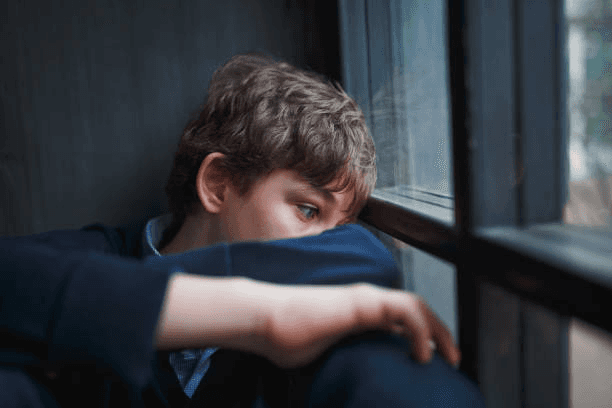

Is My Child’s Behaviour a Sign of Anxiety? Understanding the Hidden Signs of Anxiety in Children
Sept 2026
Many parents have a moment where they notice something has changed. Their child may start avoiding activities they once enjoyed, becoming more emotional over small things, needing constant reassurance, or struggling with situations that seem manageable for other children.
Sometimes anxiety is obvious. A child may say they are worried, scared, or nervous. But for many children, anxiety does not look like fear. It can show up through behaviour, emotions, physical symptoms, or changes in the way they interact with the world.
For parents, this can be confusing. You may find yourself wondering, “Is this just a phase?” or “Am I overreacting?” Many parents worry that they are either missing something important or making too much of normal childhood challenges.
Understanding anxiety can help parents respond with compassion and confidence.
Anxiety is a normal human emotion. It helps us notice challenges, prepare for situations, and respond when something feels uncertain. However, anxiety can become overwhelming when worries begin to interfere with a child’s everyday life.
Children often experience anxiety differently from adults. They may not have the words to explain what is happening internally, or they may not even recognise that what they are feeling is anxiety.
Anxiety in children can look like:
Avoiding situations that feel difficult or uncertain
Becoming upset when routines change
Needing frequent reassurance that things will be okay
Wanting parents close by more than usual
Perfectionism or fear of making mistakes
Becoming angry, frustrated, or overwhelmed quickly
Physical complaints such as headaches, stomach aches, or feeling unwell
Difficulty sleeping or settling at night
Trouble separating from parents or caregivers
Avoiding school, friendships, activities, or new experiences
Sometimes what looks like “challenging behaviour” is actually a child communicating that something feels too difficult or overwhelming.
When children feel anxious, their brains are trying to protect them from something they perceive as threatening. This does not mean the threat is always real or that the child is choosing to react this way. Their nervous system is responding to a feeling of uncertainty, fear, or lack of safety.
A child who refuses to attend a birthday party may not be trying to be difficult. They may be experiencing worries about being away from their parents, not knowing what will happen, or feeling unsure about social expectations.
A child who becomes upset when homework is challenging may not be avoiding effort. They may be feeling overwhelmed by the possibility of getting something wrong.
Understanding the need underneath the behaviour can change the way we respond.
Many parents notice anxiety becomes a concern when it begins to limit their child’s life.
You may notice your child:
Stops participating in activities they previously enjoyed
Avoids school or regularly struggles with school attendance
Has frequent emotional outbursts linked to worries
Becomes increasingly dependent on reassurance
Seems constantly “on edge”
Has difficulty recovering after stressful situations
Experiences physical symptoms without a clear medical cause
Appears exhausted from managing worries
Parents often describe feeling like they are constantly trying to prevent distress. They may find themselves changing routines, avoiding certain situations, or providing repeated reassurance because they want to help their child feel better.
This is an understandable response. Seeing your child distressed is difficult. However, sometimes anxiety can become stronger when children are unintentionally supported to avoid every situation that feels uncomfortable.
The goal is not to remove all anxiety. The goal is to help children build confidence that they can cope.
Parents often ask, “What should I say when my child is anxious?” There is no single perfect response, but some approaches can help children feel supported while building resilience.
Children need to know their feelings make sense.
You might say:
“I can see this feels really hard right now.”
Rather than:
“Don’t worry, there’s nothing to be scared of.”
The aim is to acknowledge their experience while gently helping them move forward.
When a child is anxious, it is natural to want to immediately make the worry disappear. However, children build confidence when they learn they can experience discomfort and move through it.
Avoidance often makes anxiety stronger over time. Small, manageable steps can help children practise coping and develop confidence.
Children are more able to manage anxiety when they feel understood and supported. Calm connection often needs to come before problem-solving.
A child does not need to feel completely calm to be making progress. Trying something difficult, even while feeling worried, is an important step.
Counselling may be helpful when anxiety is becoming overwhelming or affecting your child’s daily life.
It may be worth seeking support if:
Anxiety is affecting school, friendships, or family life
Your child is avoiding more and more situations
Worries are taking up a significant amount of their day
Your child is experiencing frequent emotional distress
Physical symptoms are becoming common
You feel unsure how best to support them
Seeking support does not mean your child is unable to cope. It means you are helping them develop the skills and understanding they need.
Counselling provides children with a safe space to understand their emotions and learn strategies that fit their individual needs.
Sessions may involve:
Helping children understand how anxiety works
Identifying thoughts, feelings, and body sensations linked with worry
Developing coping and regulation strategies
Building confidence with challenging situations
Supporting emotional expression
Helping parents understand how to respond at home
Some children talk openly about their worries. Others communicate through play, activities, drawing, or other creative approaches. A psychologist adapts to the child and their developmental stage.
The goal is not to eliminate every worry.
The goal is to help children feel capable, supported, and confident that they can cope.
Watching your child struggle with anxiety can leave parents feeling uncertain and helpless. It can be difficult to know when to step in, when to encourage, and when to seek additional support.
Anxiety is not a sign that your child is weak or that you have done something wrong. With understanding and support, children can learn ways to manage difficult feelings and approach the world with greater confidence.
If you are concerned about your child’s anxiety or unsure how to support them, we are here to help.
Enquire now to speak with one of our psychologists.
LATEST NEWS AND ARTICLES
Stay informed with our latest news and articles, offering valuable insights and updates on what is happening here at the clinic.
Our team includes Clinical Child and Adolescent Psychologists and Educational and Developmental Psychologists with extensive experience across child, teen and young adult mental health.
We provide a warm, welcoming space where children and young people feel safe, understood and supported. We tailor our approach to each person’s developmental stage, helping build confidence, resilience and wellbeing.
All psychologists are AHPRA-registered. Medicare rebates may be available with a GP referral. We also work with plan-managed and self-managed NDIS participants.