

Warm, relational and evidence-based support tailored to each person.
At Melbourne Children’s Psychology Clinic, therapy begins with connection. We believe children, teens, young adults and parents feel supported when they are understood — not judged. We take time to listen, learn your story and understand what matters most to you and your family.
From there, we draw on evidence-based therapeutic approaches to support emotional wellbeing, coping, confidence and connection. We choose strategies that match a person’s age, communication style, sensory needs and developmental stage — so therapy feels meaningful, manageable and safe.
How We Support Children, Young People and Families
Our therapeutic approach is grounded in warm, respectful relationships and a deep commitment to understanding each person’s unique experience.
We begin by meeting children and their families with genuine curiosity and care, building safety and connection in every session. This relationship-based foundation helps children and parents feel understood and supported as they explore emotions, behaviour and development.
We take a neuro-affirming stance, valuing and supporting diverse ways of thinking, learning and relating — particularly for children and young people who are neurodivergent. Rather than pathologising difference, we work collaboratively to understand how each person’s ways of being interact with their world.
Our work is developmentally informed; therapy adapts across ages and stages, recognising that what supports a young child may differ from what supports a teenager or young adult.
We also take a collaborative approach, partnering with families, schools and other supports when helpful. This ensures strategies are consistent and relevant across home, learning and community contexts.
Underpinning all of this is a commitment to thoughtful, evidence-based practice — informed by developmental psychology, reflective practice and trauma-aware frameworks that help guide safe and effective support.
How We Work
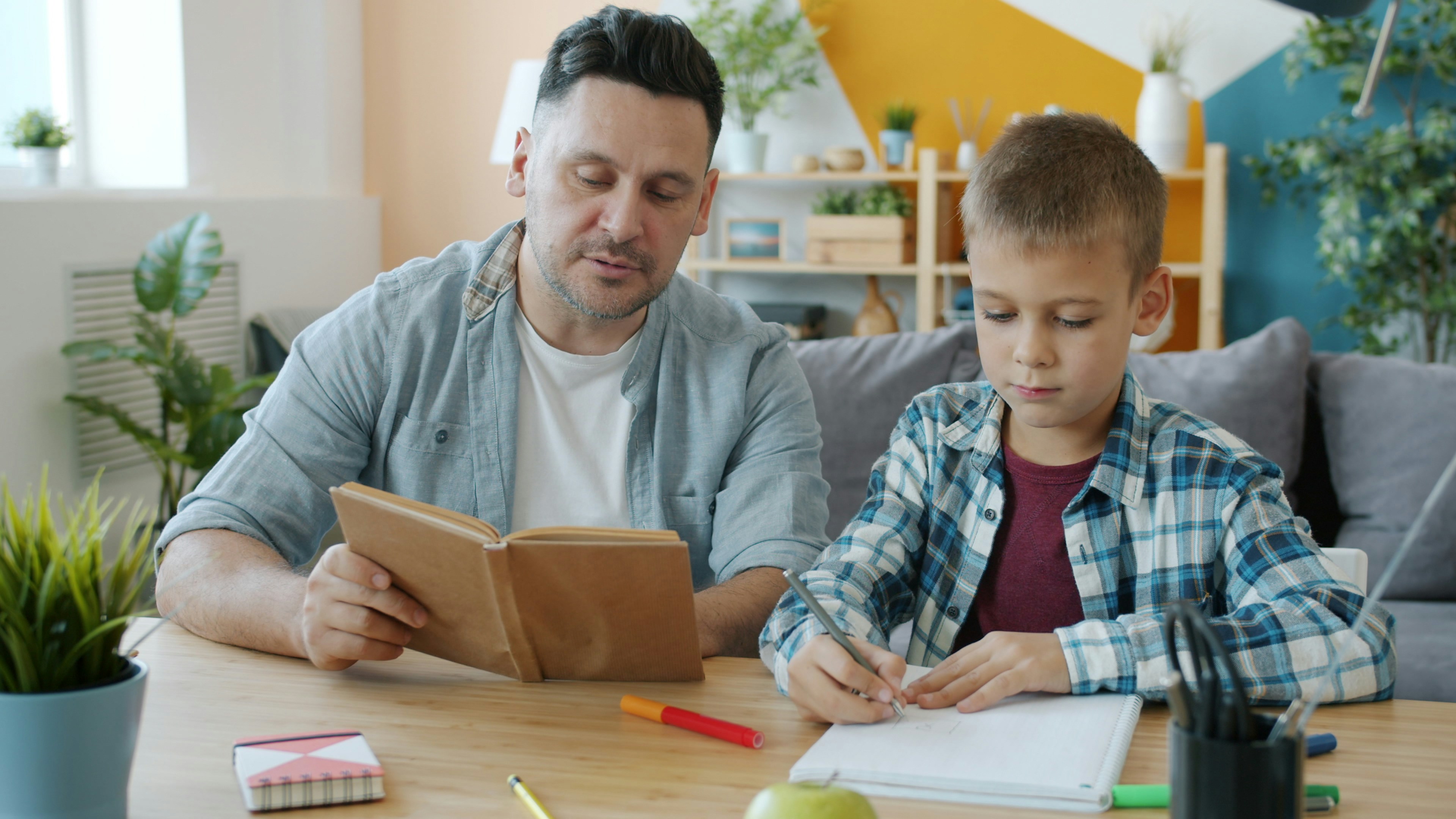




What Therapy Feels Like
Therapy is not about rushing to “fix” behaviour or symptoms.
It is about building understanding, safety and connection.
Understanding Feelings
We take time to understand emotional needs and what behaviour may be communicating.
Building Confidence and Identity
Therapy strengthens self-understanding, identity and a sense of capability.
Co-Regulation and Calm
Sessions support emotional safety and shared regulation, helping children and families feel steadier.
Strengthening Relationships
We focus on improving connection at home, at school and in social settings.
Everyday Coping Tools
Strategies are practical and designed to be used beyond the therapy room.
Therapy moves at a pace that feels safe and appropriate for the child, young person and family.
Therapeutic Approaches We May Draw From
We do not use one approach for every child, teen or family. Therapy is tailored to the individual — their strengths, needs, preferences and pace. Our clinicians draw from a range of evidence-based approaches depending on what will be most helpful.
Individual and Skills-Based Therapies
These approaches are used to build emotional tools, increase flexibility in thinking and gently process difficult experiences:
Cognitive Behavioural Therapy (CBT)
Acceptance and Commitment Therapy (ACT)
Schema Therapy
Internal Family Systems Therapy (IFS-informed approaches)
Dialectical Behaviour Therapy (DBT) skills
Mindfulness-based therapies
Narrative and meaning-making approaches
Eye Movement Desensitisation and Reprocessing (EMDR)
Trauma-focused CBT
Relational, Attachment and Play-Based Approaches
These approaches focus on safety, connection and strengthening relationships within families
Play Therapy
Synergetic Play Therapy and Theraplay-informed approaches
Dyadic Developmental Psychotherapy (DDP)
Behavioural and attachment-focused parent–child support
Parent reflective and relational support
We do not use one approach for every child, teen or family.
Therapy is always tailored to the individual — their strengths, needs, preferences and pace.
Animal-Assisted Therapy
For some children and young people, the presence of a therapy animal can support emotional safety, grounding and engagement. When appropriate, Animal-Assisted Therapy may be used alongside our other approaches to support nervous system regulation and connection.
Some of our clinicians work with therapy animals (such as Maisie and Nellie), who are gentle, well-trained members of our therapy team.
Take the Next Step
If you’re unsure where to begin, we will guide you.
We start with a warm, collaborative conversation to understand what’s been happening and explore what support may be helpful.