
Short-Form Reports in Family Law: Child Impact Assessments and Understanding Children's Needs
Nov 2026
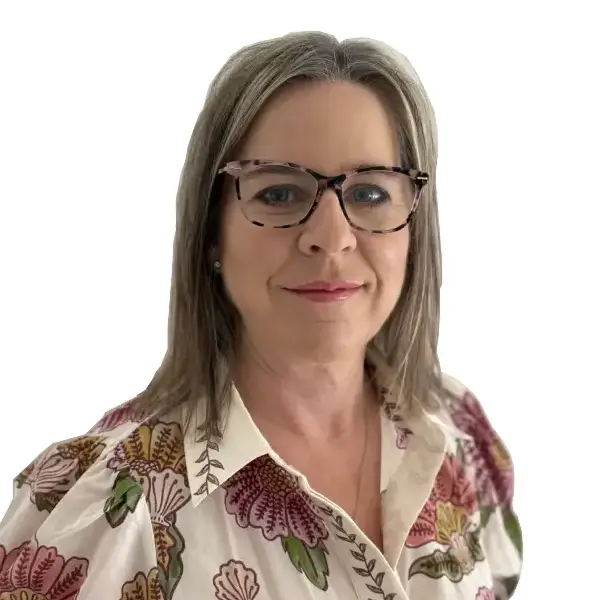
Dr McFarlane has worked in both infant, child and adolescent and adult settings. Dr. McFarlane began her career at St Vincent’s Hospital Acute Adult Inpatient Unit. Since that time, she has worked as a Clinical Child and Adolescent Psychologist at the Austin Hospital Child & Adolescent Mental Health Service and The Alfred Child & Adolescent Mental Health Service (including the Alfred Infant Team). She has also worked as a Senior Clinical Psychologist at the Monash Medical Centre for the Consultation and Liaison Psychiatry Team in paediatrics.
Dr McFarlane has a special interest in anxiety and developmental trauma as well as post-traumatic stress disorder, attachment focused parenting across childhood and adolescence. She also has a special interest in working with infants.
Dr McFarlane has significant experience in assessing and treating anxiety, mood disorders, eating disorders, self-harm, complex trauma (both critical incident and developmental trauma), somatic difficulties and developmental issues across the lifespan that result from early attachment disruption. Dr McFarlane's therapeutic approach combines a variety of practices tailored to each client’s unique needs, including:
Deep Brain Reorienting (DBR)
Sensorimotor Psychotherapy
Eye Movement Desnesitisation Reprocessing (EMDR)
Mindfulness techniques
Overall, her approach focuses on breaking maladaptive patterns without the need to revisit past trauma in detail.
Dr McFarlane has significant interest and experience in matters relating to child/family court proceedings. Specifically, Dr. McFarlane’s doctoral thesis examined the usefulness of a scale designed to assess children’s suggestibility. It further examined the degree to which individual differences could predict young children’s suggestibility and considered the implications for eyewitness testimony. Hence, she has expert knowledge regarding the impact of leading and suggestive questions and interviewing techniques, on later eyewitness testimony. Dr McFarlane has an interest and experience in child and family court proceedings and draws on a number of frameworks when working with families in this regard, including; Trauma and attachment theories (Perry, B., Van der Kolk, B., Bowlby, J.) and Dyadic developmental psychotherapy (Hughes, D.) where an attachment disruption in the parent child relationship is present. Her therapy dog, Nellie, is often present during sessions as well.
Dr. McFarlane provides clinical supervision to provisional and registered clinical and general psychologists and is a board approved supervisor through the Australian Health Practitioner Regulation Agency (AHPRA). She provides consultation and supervision across a variety of settings including, private practice, AHPRA, schools, community mental health, headspace and rural and remote settings.
McFarlane, F. & Story, K. (2003, October). The Scope and Value of Group Psychotherapy: Panel Discussion of Groups in Victorian CAMHS. Paper presented at the RANZP Faculty of Child & Adolescent Psychiatry. Strategies for Young Minds: Emotions, Behaviour and Development, Melbourne, Australia.
McFarlane, F. & Powell, M (2001, June). Individual Difference’s in Young Children’s Suggestibility. Paper presented at the Annual Conference of the American Psychological Society, Toronto, Canada.
McFarlane, F. & Powell, M. (2001, July). Individual Differences in Young Children’s Suggestibility. Paper presented at the Australasian Human Development Conference, Brisbane, Australia.
McFarlane, F. & Powell, M. (2002). The Video Suggestibility Scale for Children: How generalisable is children’s performance to an independent suggestibility paradigm? Behavioural Sciences and the Law. 13 (7), 88-99.
McFarlane, F. & Powell, M. (2002). The degree to which IQ, SES, gender and temperament predict young children’s suggestibility: Implications for Testimony. Legal and Criminological Psychology.
LATEST NEWS AND ARTICLES
Stay informed with our latest news and articles, offering valuable insights and updates on what is happening here at the clinic.
Our team includes Clinical Child and Adolescent Psychologists and Educational and Developmental Psychologists with extensive experience across child, teen and young adult mental health.
We provide a warm, welcoming space where children and young people feel safe, understood and supported. We tailor our approach to each person’s developmental stage, helping build confidence, resilience and wellbeing.
All psychologists are AHPRA-registered. Medicare rebates may be available with a GP referral. We also work with plan-managed and self-managed NDIS participants.

