
Is My Child’s Behaviour a Sign of Anxiety? Understanding the Hidden Signs of Anxiety in Children
Sept 2026

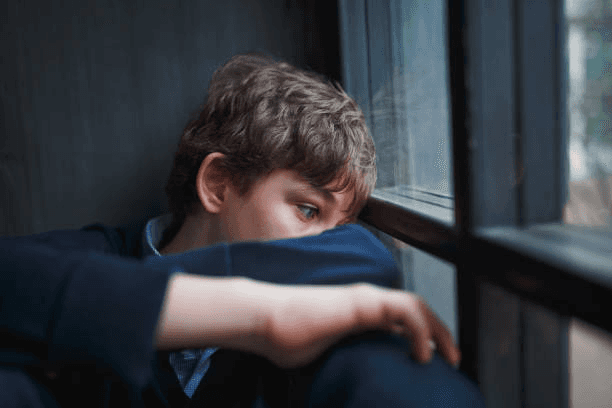
If your child talks freely at home but is silent or finds it difficult to talk at school or in other social settings, it can feel confusing, frustrating, and worrying. This persistent silence may be a sign of selective mutism, an anxiety-related condition that affects a child’s ability to speak in certain situations.
At Melbourne Children’s Psychology Clinic (MCPC), we’ve supported children and families with selective mutism for over 15 years. Our team has extensive experience helping children build confidence, overcome anxiety, and find their voice in ways that feel safe and achievable. Early intervention is our focus – supporting children as soon as concerns emerge can make a real difference in long-term outcomes.
Selective mutism is more than shyness. Children with this condition can speak comfortably in familiar settings – like at home – but may experience overwhelming anxiety when expected to speak elsewhere, such as in the classroom or at social gatherings. This anxiety can cause children to avoid eye contact, appear frozen, or become silent when expected to speak.
Selective mutism often becomes noticeable between the ages of 4 and 7, typically when children start school. Research shows that selective mutism is a form of social anxiety, where children fear negative judgment or embarrassment from speaking in certain settings.
Early identification is crucial. Children who receive support at the first signs of selective mutism have the best chance of developing confidence, communicating effectively, and thriving socially. You can find out more about Selective Mutism at the Child Mind Institute.
At MCPC, we provide support for children showing signs of selective mutism, especially around the early years (ages 4–7). Early intervention is our priority – addressing challenges before patterns become entrenched helps children feel safe, reduce anxiety, and gradually build their communication skills.
Selective mutism is a distinct condition. Children whose communication difficulties are better explained by developmental disorders (such as Autism), severe language delays, learning difficulties, or intellectual disabilities may require different approaches. Our thorough assessments ensure each child receives the most appropriate support for their unique needs.
Our Selective Mutism Clinic was founded over 15 years ago by Dr. Georgina Swinburne, Dr. McFarlane, and Ms Tamera Clancy (Senior Clinical Psychologist).
We provide evidence-based interventions tailored to each child, alongside practical strategies for parents and teachers.
Each child begins with a comprehensive assessment to understand social, emotional, behavioural, and developmental factors. Based on this, we create a personalized intervention plan that may include:
Standardised assessments to track social, emotional, and behavioural development
Evidence-based therapeutic interventions proven to support children with selective mutism
Outcome tracking to monitor progress and refine strategies
Our goal is to empower children to communicate confidently and comfortably, while supporting families throughout the process.
We understand that children with selective mutism often feel anxious in new or unfamiliar settings. At MCPC, we create a calm, supportive, and non-pressured environment through strategies such as:
Using a child’s attachment to their parent/s to promote feelings of safety and security
Allowing children to adjust to the clinic at their own pace
Incorporating non-verbal games, play-based activities, and thesliding-in technique to gently encourage engagement without pressure to speak
These approaches help children gradually build confidence and comfort in communication, while always feeling safe and supported.
Before the first appointment, families receive a registration pack, including a Parent Form and a Teacher Form, to gather important information about your child’s needs and challenges.
Our Selective Mutism Clinic operates from both Ivanhoe and Hampton. For more information or to make an appointment, please contact our clinics directly.
You are not alone.
If your child has Selective Mutism, help is available. Early support can make a significant difference, and our team at Melbourne Children’s Psychology Clinic is committed to helping your child find their voice while guiding your family every step of the way.
LATEST NEWS AND ARTICLES
Stay informed with our latest news and articles, offering valuable insights and updates on what is happening here at the clinic.
Our team includes Clinical Child and Adolescent Psychologists and Educational and Developmental Psychologists with extensive experience across child, teen and young adult mental health.
We provide a warm, welcoming space where children and young people feel safe, understood and supported. We tailor our approach to each person’s developmental stage, helping build confidence, resilience and wellbeing.
All psychologists are AHPRA-registered. Medicare rebates may be available with a GP referral. We also work with plan-managed and self-managed NDIS participants.