
Is My Child’s Behaviour a Sign of Anxiety? Understanding the Hidden Signs of Anxiety in Children
Sept 2026
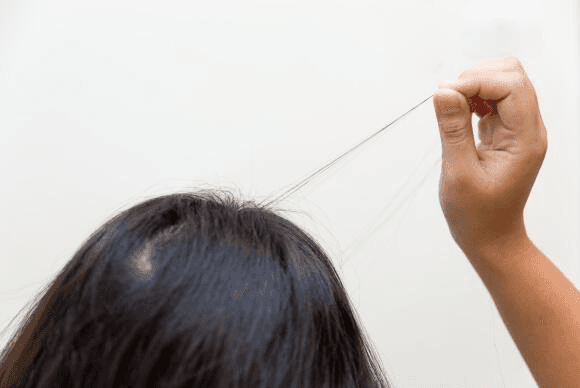
If your child is repeatedly pulling out their hair, eyebrows, eyelashes, or other body hair, it can be distressing and confusing – for both you and your child. This behaviour may be a sign of trichotillomania (TTM), a condition that often begins in childhood or adolescence and can affect self-esteem, emotional wellbeing, and interfere with daily life.
At Melbourne Children’s Psychology Clinic (MCPC), our Hair Pulling Clinic has been supporting children and families managing trichotillomania for over 15 years. We have developed extensive experience helping children, adolescents and young adults reduce hair pulling, develop healthier coping strategies, and feel supported, while guiding and reassuring parents throughout the process. Early intervention is our priority – helping children as soon as concerns appear can improve long-term outcomes.
Trichotillomania is a body-focused repetitive behaviour characterised by the recurrent pulling out of one’s hair from the scalp, eyebrows, eyelashes, or other parts of the body. Some children feel tension before pulling or when trying to resist the behaviour, while others feel relief or gratification during the act. Children often feel shame or embarrassment about hair pulling, leading them to hide it from family, friends, or teachers. This secrecy can cause isolation, confusion, and reluctance to seek help. Many families are surprised to learn that trichotillomania is actually more common than they realise, and early support can make a significant difference. You can learn more from the Healthdirect Australia page on trichotillomania.
At MCPC, our Hair Pulling Clinic supports children, adolescents and young adults experiencing trichotillomania, as well as other body-focused repetitive behaviours, including skin picking and nail biting. Each child’s experience is unique, so we provide individualised support tailored to their specific needs and circumstances. Early intervention is key. Addressing hair pulling behaviours promptly can help children develop healthier coping strategies, reduce anxiety, and improve self-esteem, while preventing patterns from becoming more entrenched. Our Hair Pulling Clinic at MCPC Our Hair Pulling Clinic draws on the combined expertise of our psychologists and provides evidence-based interventions informed by the latest research in trichotillomania treatment.
Every child begins with a comprehensive assessment, which guides a personalised intervention plan. Our clinic offers:
Standardised screening and assessment tools specific to trichotillomania and related behaviours
Evidence-based therapeutic interventions designed to reduce hair pulling and improve coping skills
Pre- and post-treatment outcome measures to track progress and refine strategies
Our aim is to empower children to feel understood, reduce anxiety around hair pulling, and regain confidence, while supporting families every step of the way.
Children with trichotillomania often worry about being judged or misunderstood. At MCPC, we focus on creating a safe, non-judgmental, and supportive environment, where children feel understood and supported without pressure or blame. Families are guided with practical strategies to reinforce progress at home and school, helping children feel safe while learning new coping skills.
Before the first appointment, families receive a registration pack, including forms to provide essential information about your child’s behaviours and history.
Our Hair Pulling Clinic operates from both Ivanhoe and Hampton. For more information or to make an appointment, please contact our clinics directly.
If your child is struggling with hair pulling, help is available. Early support can make a real difference, and our team at Melbourne Children’s Psychology Clinic is committed to helping your child gain confidence, develop healthier coping strategies, and improve their wellbeing.
With the right support and evidence-based interventions, your child can overcome hair pulling behaviours and feel more in control of their emotions.
LATEST NEWS AND ARTICLES
Stay informed with our latest news and articles, offering valuable insights and updates on what is happening here at the clinic.
Our team includes Clinical Child and Adolescent Psychologists and Educational and Developmental Psychologists with extensive experience across child, teen and young adult mental health.
We provide a warm, welcoming space where children and young people feel safe, understood and supported. We tailor our approach to each person’s developmental stage, helping build confidence, resilience and wellbeing.
All psychologists are AHPRA-registered. Medicare rebates may be available with a GP referral. We also work with plan-managed and self-managed NDIS participants.