When Your Child Runs Out of “Spoons”: Understanding Energy, Capacity, and Meltdowns Through Spoon Theory
7 Dec 2025
This is a very common pattern in many neurodiverse young people and children: they often seem to be coping well, then suddenly hit a wall. A simple request becomes too much. They become tearful, overwhelmed, irritable, withdrawn, or unable to continue with what they were doing.
If you’ve ever found yourself thinking, “Why is this so hard today when they managed it yesterday?” or “Why does my child have so little capacity all of a sudden?” Spoon Theory is a helpful way to make sense of it.
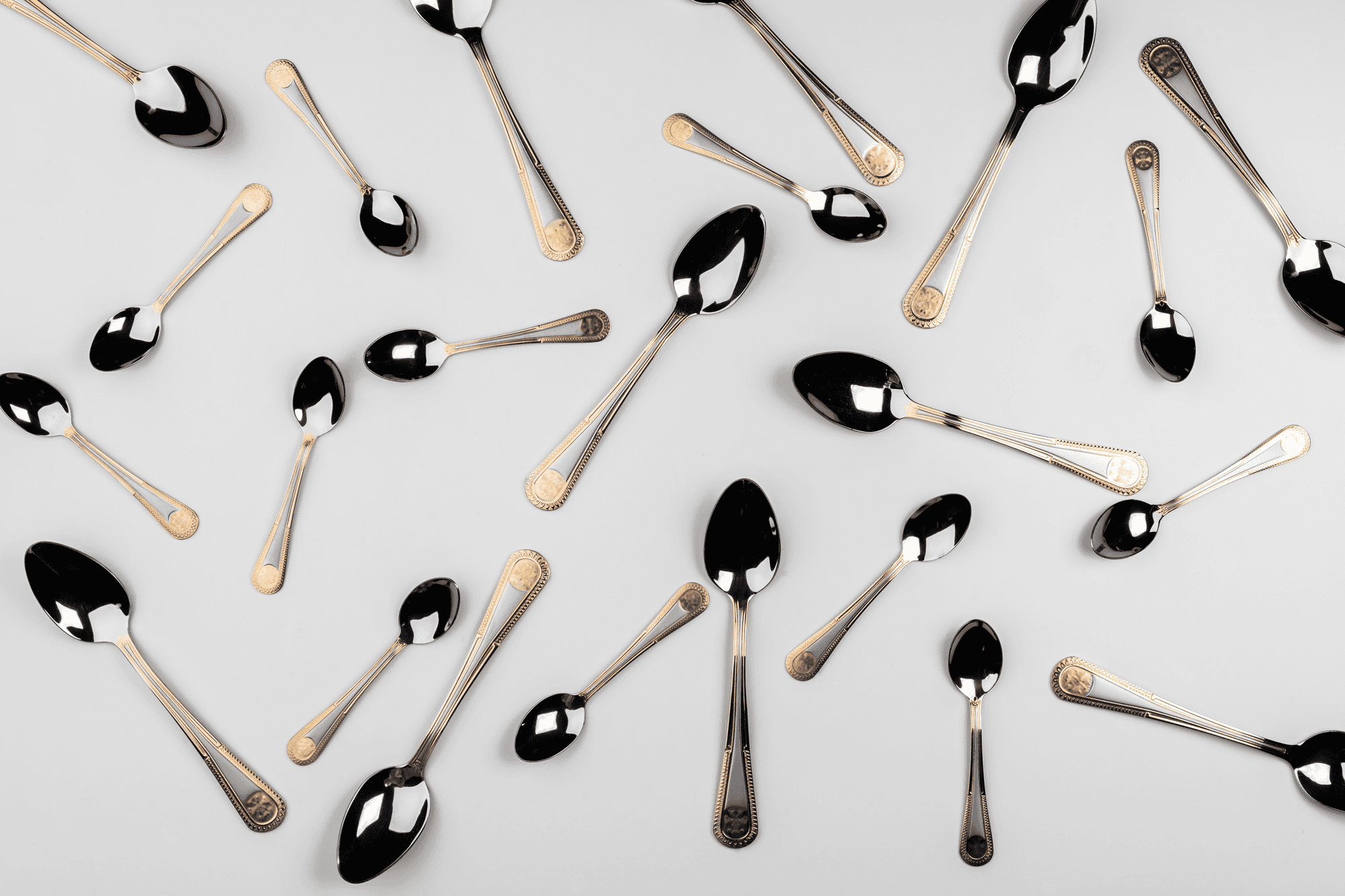
The Spoon Theory is a metaphor widely used in disability and neurodivergent communities. It’s a simple way to explain how much energy someone has for coping, thinking, socialising, regulating emotions, managing sensory input, or completing everyday tasks. Each “spoon” represents a unit of energy. Once the spoons are gone, they are gone.
Many neurodivergent children start the day with fewer spoons than their peers or lose them more quickly.
Why Spoon Theory helps parents understand what’s happening underneath
For a neurodiverse child, little things that seem tiny from outside can quietly drain their inner resources. These may include:
Overload of senses
Transitions between activities or environments
Holding themselves together at school (masking)
Social demands
Unpredictable routines
Fatigue from concentrating or managing anxiety
Emotional intensity
By the time they get home, they may already be running on one or two spoons. What you see as “defiance”, “shutdown”, or “meltdown” is actually a signal that their spoons are gone.
It’s not a choice; it’s a capacity issue.
Your steady presence matters more than a solution
By the time a child has reached zero spoons, reasoning and reassurance won’t typically help. Their nervous system isn’t in a state to allow problem-solving or conversation.
What helps most is what helps during any emotional overwhelm: your grounded, consistent presence.
You’re not trying to add more spoons in that moment; you’re just keeping things safe until your child can recover.
Some gentle phrases that go along nicely with Spoon Theory:
“You’ve had a big day. I can see your spoons are low.”
“Let’s not rush things. You don’t have to push through for now.”
“I’m here. We’ll make a plan when you’ve had a chance to recharge.”
This language removes blame and shame; it is about capacity, not character.
How to respond without draining more spoons
Even supportive parents often make things harder by accident, expecting more than the child has to give. A low-spoon moment isn’t the time for:
Teaching
Problem-solving
Lectures about behavior
Encouraging them to “power through”
Instead, consider what might guard their remaining spoons or help refill them.
Try offering:
Quiet companionship
Space to decompress
A predictable, no-pressure routine
A sensory break
A simple, nutritional snack
A low-demand activity such as drawing, Lego, or time with a pet
You might offer choices that put the child back into control:
“Do you want quiet time in your room or to sit next to me on the couch?”
“Would you like headphones, a blanket, or some space?”
These small choices help restore a sense of safety.
Once they’re settled: guide them gently back to regulation
Once your child has recovered a few spoons, you can slowly reintroduce regulating activities.
Options include:
A peaceful walk
Movement or sensory play
Deep breathing if they’re receptive
A hot drink
Listening to familiar music
Quiet conversation about what they might need next
This is not about repairing the day; this is about supporting their nervous system as it climbs back into its “window of tolerance.”
When to talk about what happened
Meaningful conversations occur after the nervous system has settled, not during shutdown or meltdown.
You might ask:
“It looks like things got too big earlier. What used up your spoons today?”
“What helps you recharge when you feel like that?”
“How can we make next time a little easier?”
This helps children develop self-awareness about their own capacity without feeling judged.
A few scripts parents often find helpful
If your child is overwhelmed or shutting down:
“It seems like your spoons are low. Take your time. I’m right here.”
If they’re melting down after school:
“You have used so many spoons today. Let’s rest for a bit before we think about anything else.”
If they’re getting irritable or frustrated with you:
“I know this feels too much right now. We’ll get through it together.”
If they need space:
“I’ll give you space to rejuvenate. I’m close by when you’re ready.”
If they feel embarrassed afterwards:
“Everyone runs out of spoons sometimes. This is part of learning what your body needs.”
A final thought
Spoon Theory is not about lowering expectations; rather, it’s about matching expectations to capacity. When parents understand their neurodivergent child’s energy is limited, unpredictable, and can be easily depleted by things others might not notice, they can respond with more compassion and far less frustration.
A child who is understood in their low-spoon moments is a child who learns to understand themselves. That’s where real resilience grows.
If you’d like support in understanding your child’s sensory profile, emotional needs, or energy capacity, we’re here to help.
Enquire now to talk to one of our psychologists.
LATEST NEWS AND ARTICLES
Stay informed with our latest news and articles, offering valuable insights and updates on what is happening here at the clinic.



Experienced Child and Family Psychologists
Our team includes Clinical Child and Adolescent Psychologists and Educational and Developmental Psychologists with extensive experience across child, teen and young adult mental health.
Personalised Care for Every Child and Family
We provide a warm, welcoming space where children and young people feel safe, understood and supported. We tailor our approach to each person’s developmental stage, helping build confidence, resilience and wellbeing.
Medicare and NDIS
All psychologists are AHPRA-registered. Medicare rebates may be available with a GP referral. We also work with plan-managed and self-managed NDIS participants.