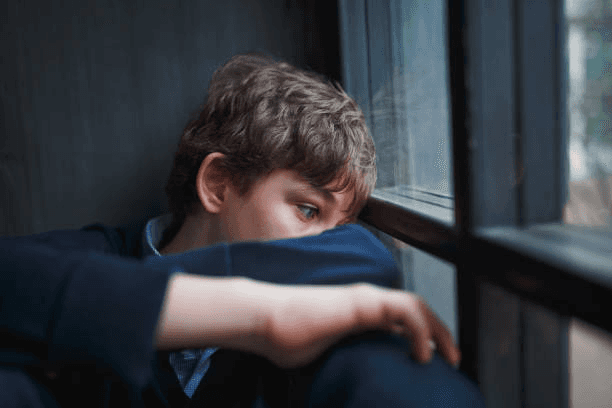

Is My Child’s Behaviour a Sign of Anxiety? Understanding the Hidden Signs of Anxiety in Children
Sept 2026

Many parents notice that their child handles the school day fairly well but then falls apart shortly after getting home. A child who has spent the day keeping it together may suddenly become overwhelmed, tearful, irritable, or unable to handle even small requests. Some children become flat and withdrawn, while others react strongly or seek a lot of closeness. This is a common pattern described by many families that we support at Melbourne Children’s Psychology Clinic.
You may already have an idea of why this happens. The school environment takes a lot of emotional and mental energy. Children deal with noise, transitions, friendships, learning demands, and the overall pace of the day. For some kids, especially those who are neurodivergent, there may also be masking. Masking means working hard to seem calm or capable on the outside, even when it feels demanding inside. It’s a way to cope, but it uses up energy.
By the time your child gets home, they may simply have little energy left. Home is where they feel safe. With you, they don’t have to keep everything in. The feelings they contained during the day often come out once they return home. This isn’t misbehaviour; it shows that they feel safe and trust you.
This pattern is sometimes called “after school restraint collapse.” You are witnessing your child reaching the end of their available resources and needing time and support to settle and regulate again.
Children usually express their biggest feelings with the person they trust the most. You may have already noticed patterns, such as:
– Becoming flat and withdrawn, quieter, or harder to reach
– Getting overwhelmed or tearful more quickly than usual
– Seeking closeness and wanting to stay close to you
– Pushing others away because connection feels overwhelming at that moment
– Needing food or movement as soon as they get home
– Not being ready to talk about their day
None of these responses indicate disrespect or poor behaviour. They reflect reduced capacity after a day of managing and adapting.
Many families find it helpful to view the time after school as a transition instead of a moment when children are expected to talk, engage, or get things done. Different children will need different support. Some may need quiet and space to regroup. Others may need closeness. Some calm down through relaxing activities, while others settle best through active play.
You might already be doing some of this. The goal is to notice what helps your child return to themselves.
Once your child has settled in whatever way works for them, connection, conversation, and cooperation usually become easier.
If this pattern occurs often, it can help to consider which parts of the school day are most draining. This could include sensory overload, social interactions, academic pressure, or unpredictable routines. We can explore these areas gently and supportively.
As psychologists, we often work with parents and schools to:
– Understand what contributes to the feeling of being overwhelmed
– Help children recognize and express their emotional experiences
– Build co-regulation and confidence at home
– Reduce unnecessary stressors during the school day
This isn’t about pushing a child harder to increase tolerance. It’s about adjusting environments and expectations, so the child has more energy when they arrive home.
If afternoons feel challenging, it doesn’t mean something is wrong with your parenting or your home. More often, it suggests that your child feels secure enough with you to share what they have been holding in. With some space, a steady presence, and a thoughtful routine, this part of the day can become easier.
If you would like support in understanding your child’s needs or in working with their school, we are here to help.
LATEST NEWS AND ARTICLES
Stay informed with our latest news and articles, offering valuable insights and updates on what is happening here at the clinic.
Our team includes Clinical Child and Adolescent Psychologists and Educational and Developmental Psychologists with extensive experience across child, teen and young adult mental health.
We provide a warm, welcoming space where children and young people feel safe, understood and supported. We tailor our approach to each person’s developmental stage, helping build confidence, resilience and wellbeing.
All psychologists are AHPRA-registered. Medicare rebates may be available with a GP referral. We also work with plan-managed and self-managed NDIS participants.