Understanding ADHD Beyond Attention: Why ADHD Can Affect Emotions, Motivation and Daily Life
Aug 2026
At Melbourne Children’s Psychology Clinic we understand that every child and teen’s emotional journey is unique. For many young people, traditional talking therapies can feel intimidating. That’s where our Animal-Assisted Therapy (AAT) for children can make a real difference – helping kids feel comfortable, reducing anxiety, and supporting social-emotional growth.
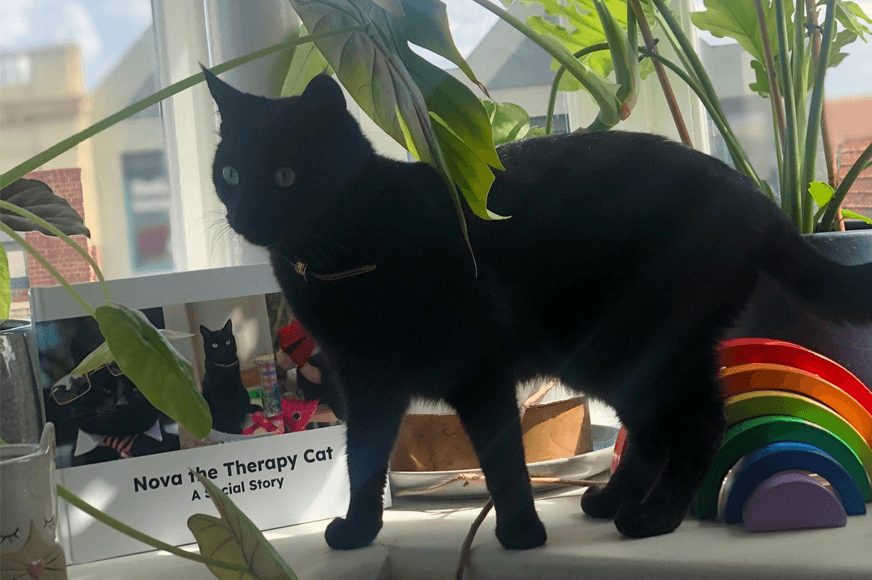
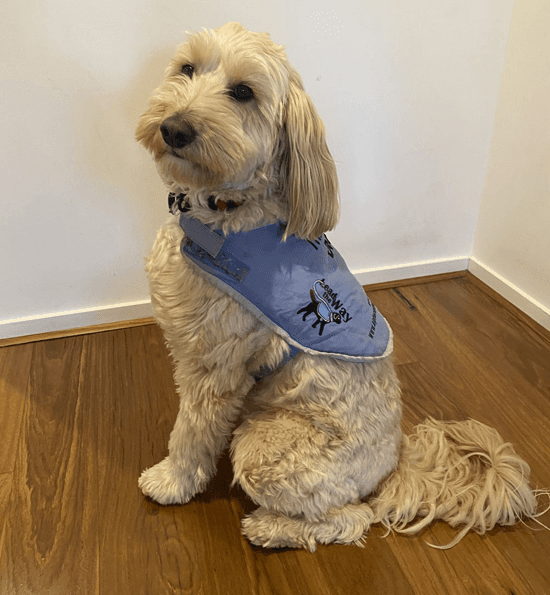
At our Ivanhoe clinic, your child may meet Maisie, our gentle labradoodle, or Nova, our curious black cat. At our Hampton clinic, Nellie, another friendly labradoodle, often joins in on sessions. These animals are carefully trained to provide support, comfort, and encouragement during therapy, helping children and teens feel safe and engaged.
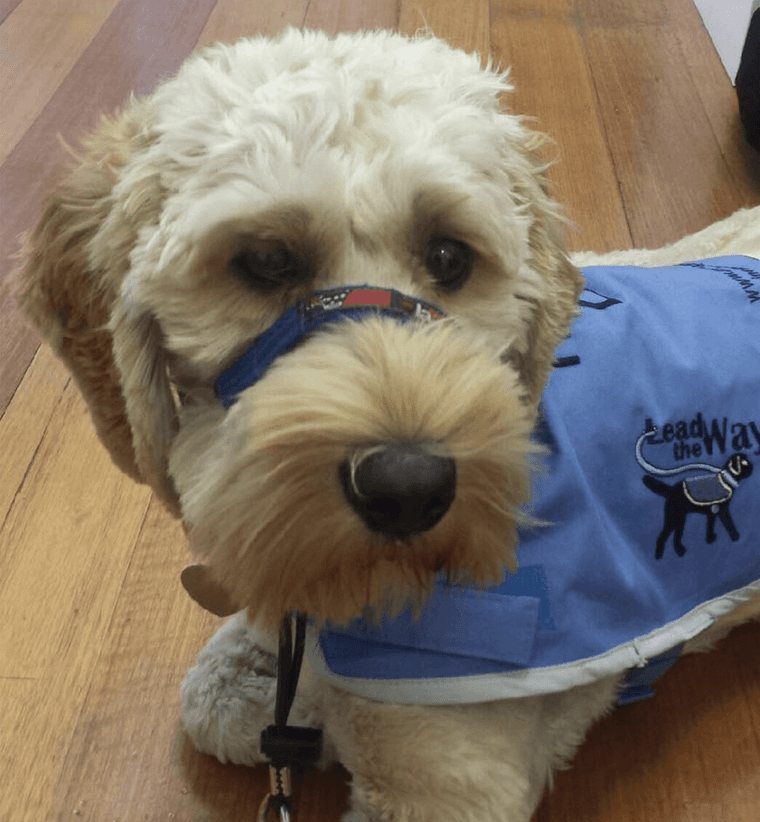
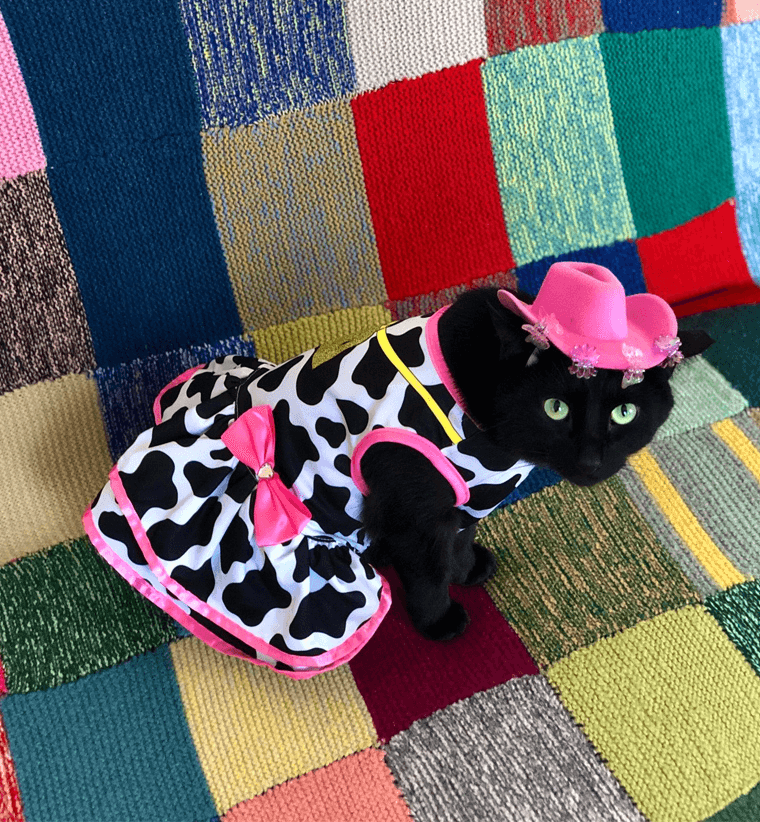
Research and clinical experience show that animal-assisted therapy can support children and adolescents in many ways:
Reduce Anxiety and Stress: Spending time with a therapy animal can help children feel calmer, making it easier for them to engage in sessions.
Build Trust and Connection: Children who struggle to open up to adults often find it easier to engage with the presence of a friendly therapy animal.
Enhance Emotional Regulation: Interacting with animals can teach empathy, patience, and self-control, helping children manage their emotions more effectively.
Encourage Communication: Therapy animals provide a non-judgmental, comforting presence, encouraging children to express thoughts and feelings.
Support Social Skills and Confidence: Animals promote playful interaction and cooperation, helping children develop confidence in both individual and group therapy settings.
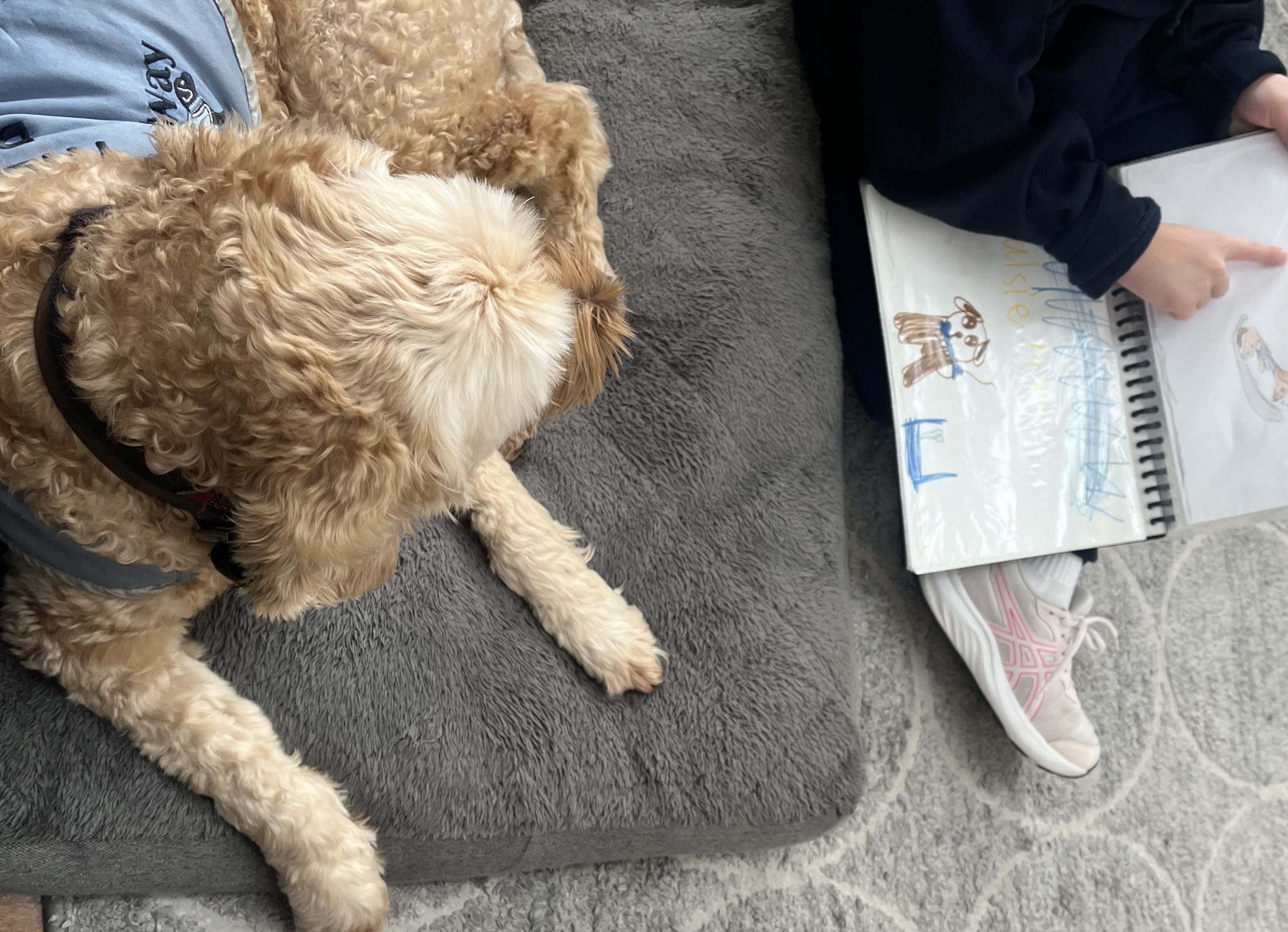
At Melbourne Children’s Psychology Clinic, animal-assisted therapy is more than just having animals in the room—it’s a structured, intentional part of each child’s therapy plan. Maisie, Nova, and Nellie are trained companions who help children feel at ease, engage more fully, and achieve therapy goals in a nurturing and supportive environment.
If your child experiences anxiety, emotional challenges, or difficulties with social confidence, animal-assisted therapy at our Ivanhoe or Hampton clinics may be a helpful and engaging option. Our team combines traditional therapies with the comfort and motivation of therapy animals to provide a holistic, child-focused approach to mental health.
At Melbourne Children’s Psychology Clinic, our therapy animals are ready to help your child take positive steps toward wellbeing—one paw, whisker, or wag at a time.
LATEST NEWS AND ARTICLES
Stay informed with our latest news and articles, offering valuable insights and updates on what is happening here at the clinic.
Our team includes Clinical Child and Adolescent Psychologists and Educational and Developmental Psychologists with extensive experience across child, teen and young adult mental health.
We provide a warm, welcoming space where children and young people feel safe, understood and supported. We tailor our approach to each person’s developmental stage, helping build confidence, resilience and wellbeing.
All psychologists are AHPRA-registered. Medicare rebates may be available with a GP referral. We also work with plan-managed and self-managed NDIS participants.